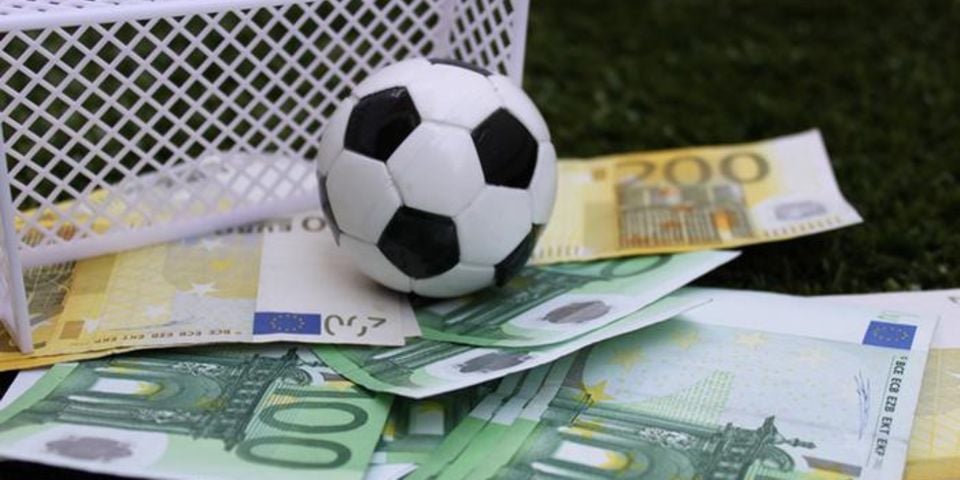

Parliament is set for the first reading of the Sports Amendment Bill today, introduced by nominated MP Irene Mayaka, which proposes making match-fixing a criminal offence in Kenya.
Mayaka, the National Assembly Committee on Regional Integration Chairperson is spearheading efforts to criminalise match-fixing in a decisive move to protect the integrity of Kenyan sports,.
The bill seeks to introduce tough legal penalties for individuals involved in sports manipulation, marking a historic step toward cleaning up Kenya’s athletic competitions. The penalties include imprisonment for a term not exceeding one year or a fine not exceeding Ksh one million or both.

Mayaka (pictured left) says that match-fixing erodes public trust, exploits athletes, and threatens the credibility of Kenyan leagues.
The push for new legislation comes at a time when Kenyan football has been rocked by allegations of match-fixing.
The past few weeks has seen Kenya Premier League coaches coming out in the open stating there is rampant match fixing in Kenyan football.
Kenya Police FC coach Nicholas Muyoti said he has been receiving offers from international syndicates (e.g., Asia) to fix matches, noting that the menace is rampant in the FKF Premier League. “I’ve been talking about match fixing for a long time, three or five years now. Match fixing is there, it’s real. There are people who are using officials, coaches, players to fix matches,” Muyoti told the press.
“I’ve experienced it. We are even receiving calls from everywhere about fixing matches. If we weren’t strong we could have gone that direction. We have our conscience and integrity which are very clear,” he added.
The former Nairobi United head coach warned that unless urgent measures are implemented, the situation could drag Kenyan football into serious decline.
“If the federation and the government fail to do something then we are in trouble; football will go down the drain. It is about time they do investigations and find out what is happening.”
Former Tusker FC coach Charles Okere and his Kakamega Homeboyz counterpart Patrick Odhiambo also admitted that match fixing was serious and widespread in the country’s leagues.
Similarly, Abdalla Juma of Sofapaka alleged that manipulation has become widespread in the FKF Premier League, claiming that it involves a network of officials, referees, and players.
The proposed legislation follows a troubling surge in match-fixing cases that have cast a shadow over Kenyan football, particularly in the Football Kenya Federation Premier League (FKF-PL) and the National Super League (NSL). In 2021, Zoo was expelled from the FKF-PL by FIFA after being found guilty of involvement in match manipulation.
The previous year, several players from Kakamega Homeboyz were implicated in similar misconduct. FIFA subsequently imposed bans on six players, including Ugandan international George Mandela, who received a lifetime suspension. In May 2024, FKF suspended five individuals, three referees, one player Kevin Otieno Olang’o of FC Talanta, and one team manager Abdikarim of Kibra United.
In March 2025, national team goalkeeper Patrick Matasi was provisionally suspended after a video emerged suggesting he had agreed to manipulate the result of an Africa Cup of Nations qualifier. FKF, in collaboration with FIFA and CAF, opened investigations and imposed a 90-day ban, which has since expired.
Last year on May 2, 2025, Muhoroni Youth was expelled from the National Super League and relegated to Division One by FIFA’s Disciplinary Committee for confirmed involvement in match manipulation.
Such incidents have exposed loopholes in the legal framework, with no existing laws providing for the prosecution of match-fixing in Kenya. According to a 2021 FIFA report, sports corruption costs the global industry over Ksh 129 billion annually, a figure that underscores the urgency of Mayaka’s proposed reforms.
Mayaka’s bill aims to close these gaps by establishing clear criminal penalties for anyone found guilty of manipulating sports outcomes. This, she says, will help restore public confidence and protect athletes from exploitation.